
Moving out is stressful enough without worrying whether you’ll see your full deposit again. In England and Wales, deposit deduction disputes are one of the most common issues raised with tenancy deposit schemes each year, and in the vast majority of cases, the dispute comes down to cleanliness, minor damage, or disagreement over “fair wear and tear.”
The good news: most deposit deductions are avoidable if you know what the inspection actually checks for. Here’s a practical, room-by-room guide to walking into your final inspection with confidence.
What Is a Final Property Inspection, Really?
The check-out inspection (sometimes called a “check-out report”) is a comparison exercise. The landlord or agent isn’t just looking at whether the property is “clean” in a general sense; they’re comparing its current condition against the check-in inventory report that was signed when you moved in.
This is the single most important thing to understand: if there was no detailed check-in inventory, or if you never received a copy, it becomes much harder for a landlord to fairly prove the property’s condition has declined. Always ask for, and keep, a copy of your check-in report on day one of any tenancy.
The Difference Between “Fair Wear and Tear” and Damage
This is where most disputes happen. Tenancy deposit schemes define fair wear and tear as the gradual deterioration that happens through normal, everyday use: faded curtains, slightly worn carpet in high-traffic areas, small scuff marks on walls.
What typically isn’t wear and tear, and can lead to deductions:
- Stains, marks, or odours that could have been cleaned but weren’t
- Limescale build-up in bathrooms and kitchens
- Grease and burnt-on residue inside ovens and extractor filters
- Mould caused by lack of ventilation (as opposed to a property defect)
- Holes from picture hooks or shelving that weren’t filled
- Missing items listed on the inventory (light bulbs, curtain rings, remote controls)
Knowing this distinction helps you focus your energy where it actually matters, rather than over-worrying about things that are legally considered normal.
Room-by-Room: What Inspectors Actually Check
Kitchen
The oven, hob, and extractor are the most commonly disputed items in any inspection. Grease build-up doesn’t count as wear and tear; it’s treated as a cleaning issue. Check inside and under the fridge/freezer, behind appliances if movable, and inside cupboards for crumbs or spills.
Bathroom
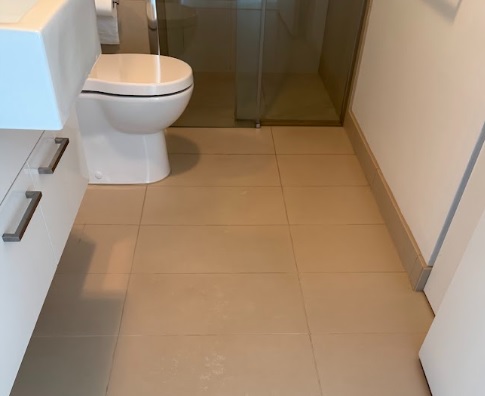
Limescale on taps, showerheads, and glass screens is one of the top reasons for deposit deductions, simply because it’s highly visible and easy for an inspector to photograph. Grout and sealant discolouration is often flagged too, even though it’s sometimes a property-age issue rather than a tenant one, worth noting in writing if you believe that’s the case.
Living areas and bedrooms
Inspectors typically check skirting boards, window sills, light switches, and behind/under furniture, areas that get missed in a quick clean. Carpets are checked for staining rather than general wear.
Walls and fixtures
Unfilled picture hooks, Blu Tack marks, or scuffs from moving furniture are common flag points. A quick check with a torch at an angle can reveal marks that aren’t obvious in normal light.
Windows and doors
Smears, cobwebs in corners, and tracks/runners with built-up dirt are frequently missed but easy to check.
A Simple Pre-Inspection Checklist
- Compare the property against your original check-in inventory, room by room
- Photograph everything before you hand back keys, including inside appliances and cupboards
- Check inside the oven, extractor filter, and behind large appliances
- Descale bathroom fixtures and glass
- Check skirting boards, window sills, and light switches for dust and marks
- Fill any picture hook holes if your tenancy agreement requires it
- Replace any missing inventory items (bulbs, batteries, remote controls)
- Air the property to remove any lingering odours
- Keep dated photos and any receipts (cleaning, repairs) in case of a dispute
If a Deduction Is Proposed Anyway
If your landlord or agent proposes a deduction you disagree with, you don’t have to simply accept it. Deposits protected under a government-backed scheme (DPS, MyDeposits, or TDS) come with a free dispute resolution service. You’ll typically need:
- Your check-in inventory report
- Your own move-out photos/video with timestamps
- Any receipts for professional cleaning or repairs
- Written communication with the landlord/agent about the issue
Evidence is everything in these disputes. The tenant who has dated photos and paperwork is in a far stronger position than one relying on their word against the landlord’s.
When It’s Worth Bringing in Professional Help
For a lot of tenants, especially those juggling moving day logistics, the areas that cause the most disputes (ovens, limescale, deep carpet cleaning) are also the most time-consuming to do properly without the right products and equipment. That’s often where a professional end of tenancy clean earns its cost back many times over, simply by removing the guesswork around what “inspection standard” actually looks like.
Frequently Asked Questions
Do I legally have to clean the property before moving out?
Most tenancy agreements require the property to be returned in the same condition it was received, allowing for fair wear and tear. This usually means a genuinely clean handover, even if the agreement doesn’t use the word “professional.”
Can a landlord deduct for normal wear and tear?
No. Deposit schemes explicitly protect tenants from deductions for fair, gradual wear and tear that happens through ordinary use over the length of a tenancy.
What if there was no check-in inventory?
Without a documented check-in condition, it’s much harder for a landlord to prove the property has deteriorated beyond wear and tear, which strengthens the tenant’s position in a dispute.
How long does a deposit dispute take to resolve?
Government-backed scheme adjudications typically take a few weeks once both sides have submitted their evidence, though timelines vary by scheme.
Is a professional clean worth it just for the inspection?
For tenants short on time near moving day, or in properties with heavy kitchen/bathroom use, it often removes the single biggest source of disputes (cleanliness) from the equation entirely.